InvestigateTV+: In-depth look at solutions for improving access to cancer screenings
(InvestigateTV) — Groundbreaking developments in cervical cancer screening are giving women new options to take control of their health. Two recently FDA-approved tools aim to expand access to lifesaving screening by allowing women to collect their own samples, either in a doctor’s office or at home.
The innovations come at a critical time. According to the CDC, about half of the women who develop cervical cancer were not screened as recommended before their diagnosis. An American Cancer Society study published in 2025 shows cervical cancer screening rates have dropped 14% since 2019, a decline that began during the COVID pandemic and has yet to rebound.
“Everyone needs to know about it. Everyone needs to know the damage it can do. But also everyone needs to know you can minimize the damage if you just get yourself checked,” said Tony Cooper Teller, a cervical cancer survivor who was diagnosed with stage two cancer in October 2017.
In this episode of InvestigateTV+, we examine:
- Cervical Cancer Screening: New FDA-approved self-collection tests offer at-home and in-office alternatives to traditional pelvic exams.
- Strokes in Young Adults: Rising stroke rates in people under 45 prompt doctors to emphasize early recognition and lifestyle changes.
- Pet First Aid: Veterinarians teach basic emergency care skills to help pet owners handle common accidents and health crises.
- Therapy Dogs for Veterans: Three rescue dogs with disabilities bring joy and comfort to elderly veterans in assisted living facilities.
What to know about new self-collection options for cervical cancer screenings
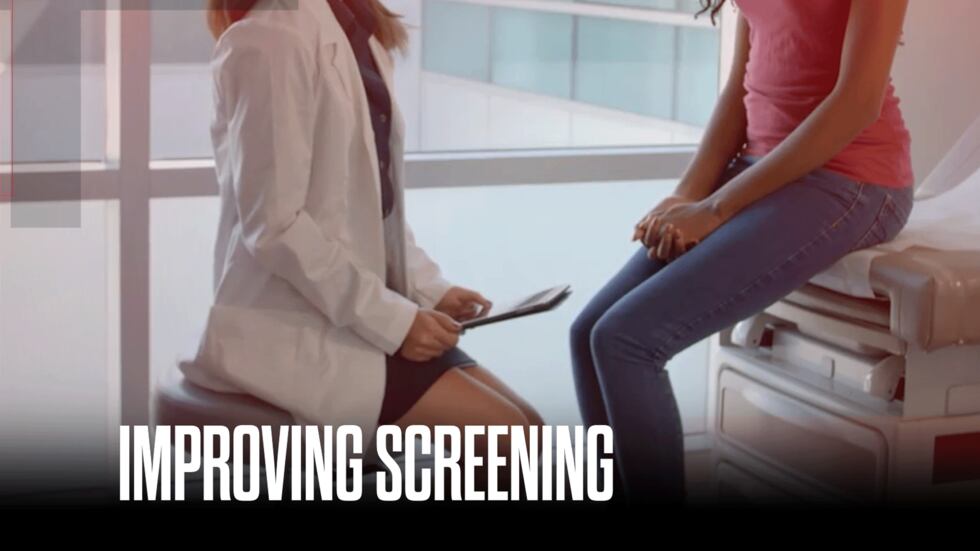
Groundbreaking developments in cervical cancer screening are giving women new options that could expand access to lifesaving early detection.
FDA-approved self-collection HPV tests are now being hailed by some experts as game-changing tools in the fight against a disease that claims more than 4,000 American women’s lives each year.
These innovations are coming at a critical time.
According to the CDC, about half of the women who develop cervical cancer weren’t screened as recommended before their diagnosis.
An American Cancer Society study published in 2025 shows cervical cancer screening rates have dropped 14% since 2019, a decline that began during the COVID pandemic and has yet to rebound.
Strokes becoming increasingly dangerous for people under the age of 45

Stroke is the fifth leading cause of death in the U.S. and the leading cause of disability around the world.
People under the age of 45 are experiencing an increase in the likelihood of strokes across the country.
What’s behind the trend?
What to do during common pet health emergencies
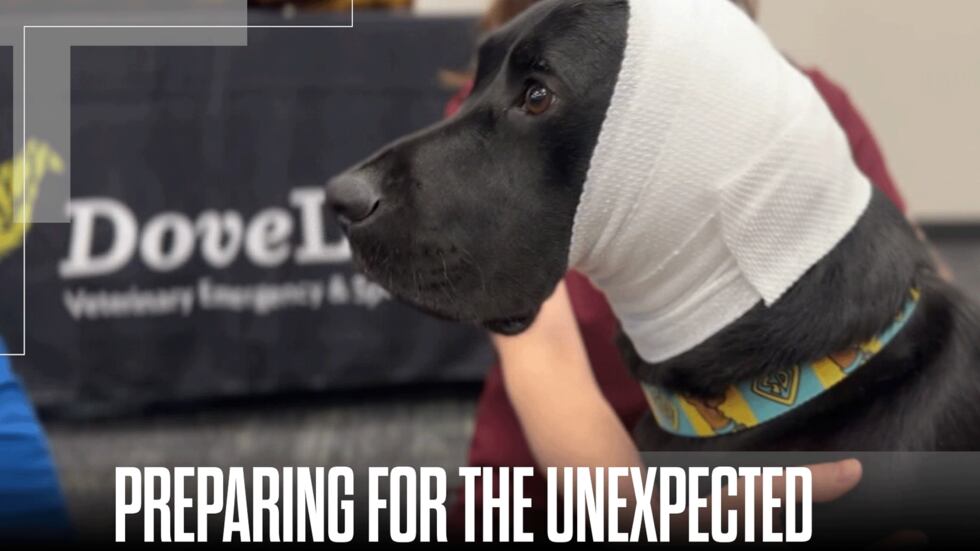
From chewing furniture to eating something they shouldn’t have, pet ownership comes with unwelcome surprises that can turn dangerous quickly.
While accidents happen despite owners’ best efforts to keep their furry companions safe, basic first aid training could help save a pet’s life during an emergency.
Veterinarians across the country are teaching pet owners essential emergency skills, covering everything from when to rush to the vet to how to handle the most common pet health crises at home.
Hero’s Bridge Paw Patrol brings joy to elderly Veterans

Nearly half of all veterans are now 65 and older, facing increased risks of chronic medical conditions, mental health issues and social isolation.
In Virginia, three special rescue dogs are helping elderly veterans enjoy a better quality of life through a heartwarming program that proves healing comes in many forms.
Frank, Rosa and Lily may be imperfect pups with their own battle scars, but they’re perfect ambassadors for Heroes Bridge, a nonprofit dedicated to serving elderly veterans through their innovative Paw Patrol program.
Copyright 2025 Gray Media Group, Inc. All rights reserved.