Las Vegas woman logs nearly 1,000 calls in one year to document spam problem
(InvestigateTV) — More than one billion scam robocalls are transmitted to U.S. phones each month, plaguing millions of Americans with unwanted calls sometimes every day.
One Las Vegas woman decided to document the problem by logging every call she received for an entire year.
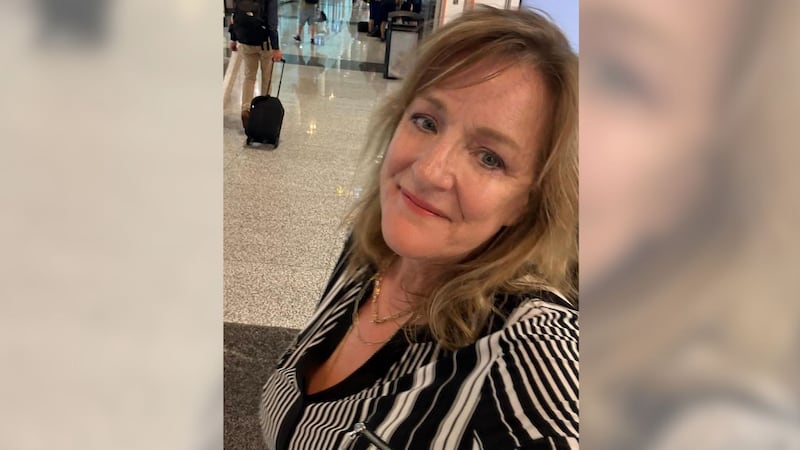
Gayle Patrick, a retiree, tracked 948 calls over 365 days after she stopped answering unknown numbers in April 2024. Of those calls, only 311 were legitimate calls from people she knew, including family, friends and doctors.
“First, it started out of curiosity, then it became a mission,” Patrick said.
Patrick said she began tracking calls after receiving unwanted calls at all hours, including 4:30 a.m. and 4:59 a.m.
“In fact, when you got ahold of me, I didn’t answer the phone and you had to say, you know, this isn’t spam,” Patrick said.
Cybersecurity expert warns against answering
Ian Bednowitz, general manager of LifeLock, an identity theft protection service, said people should never answer calls from numbers they don’t recognize.
“Even saying, ‘hello, who is this?’ can be very dangerous,” Bednowitz said.
He said answering unknown calls confirms that the phone number is active, leading to more unwanted calls.
“Because you’re confirming that your number is real. So it’s almost a self-fulfilling prophecy,” Bednowitz said.
Bednowitz also warned that anything said during these calls can be recorded and manipulated using artificial intelligence.
“AI is becoming so much more sophisticated that even with a small snippet of your voice, just a few seconds, they can now create deep fakes of your voice, which they can use to gather with any personal information they can find to try and hack into your accounts, steal your identity or trick your friends and family into sending them money,” he said.
Recommendations for protection
Bednowitz recommends setting voicemail to an automatic response. He said legitimate callers will likely leave a message, and people should verify the number before returning calls.
Patrick said that before she registered with the Do Not Call Registry, she would receive at least five spam calls per day, sometimes as many as 10. Now she receives about two per day.
Patrick plans to send a copy of her log to the Nevada Attorney General’s Office, hoping they can use the information to stop future spam calls.
“If I’m frustrated, I’m sure everybody and their brother – everybody gets a spam call,” Patrick said.
How to register and report
To register a phone number with the Do Not Call Registry, visit donotcall.gov or call 1-888-382-1222 from the phone to be registered. The service is free and takes about two minutes.
People who have lost money to phone scams or have information about scammers can report it at reportfraud.ftc.gov. Experts said those reports help the FTC bring enforcement cases and educate people about scams.
Tech specialists said about half of the callers making government and business imposter calls are located overseas.
Scammers can spoof U.S. phone numbers through Voice over Internet Protocol services, which allow users to make voice calls using an internet connection rather than a typical phone line.
- Submit story tips to our Investigators
- Share errors or concerns with our Digital Editors
- Watch full episodes of InvestigateTV+
- Subscribe to the InvestigateTV YouTube Channel
Copyright 2025 Gray Media Group, Inc. All rights reserved.