Digging Dangers: Gas line strikes due to telecommunications construction on the rise
(InvestigateTV) — Access to high-speed internet is crucial for education, health care and the economy.
In 2022, the federal government launched a multibillion-dollar initiative to get fast, broadband internet to every American.
However, our investigators found that the project may have unintended consequences.
Strikes on the Rise
Gas line strikes tied to telecommunications construction are on the rise. That includes work installing fiber internet.
Data from the Common Ground Alliance shows that in 2022 and 2023, telecommunications work was the leading cause of those hits.
In 2025, major expansion of fiber internet is expected to continue as part of a $42 billion federal investment.
Five-year-old Alistair Cunningham died in a home explosion about 50 miles outside of Kansas City.
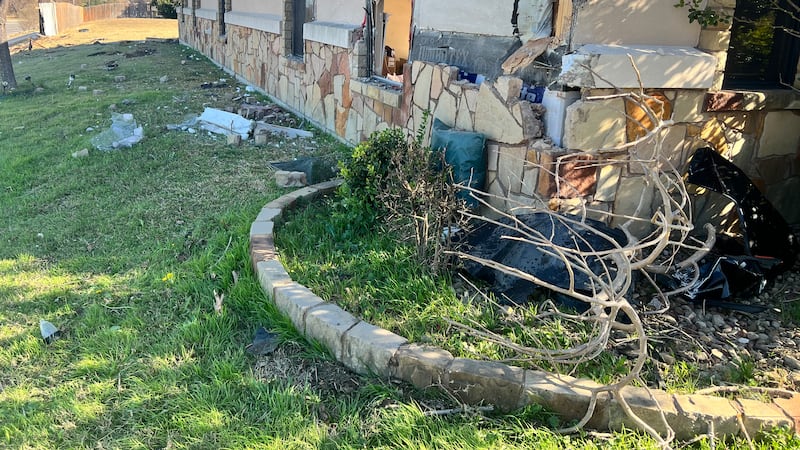
Officials say crews installing fiber internet cables struck a gas line, leading to the blast.
Our team was investigating the dangers of gas line strikes tied to fiber internet construction months before Alistair’s death.
Examining Alarming Trends in Telecommunication-Related Gas Line Strikes
Scott Baucum’s family had to race from their home near Saint Louis in March 2022 after crews digging in the area hit a natural gas line.
“They just went door to door to evacuate everybody,” Baucum said.
Days earlier, a home less than five miles from Baucum’s exploded due to a gas leak. The footage was caught on a doorbell camera.
"We had all watched on the evening news. The doorbell camera caught an explosion where a house was literally imploded. It just completely collapsed right in front of our eyes."
Both situations were the result of crews digging to install fiber optic internet.
In August 2024, a home exploded in Independence, Missouri.
Independence Fire Battalion Chief Eric Michel said a construction company running fiber optics struck a gas line, causing the explosion.
Two days later, families just 20 miles away had to evacuate their homes due to the same type of line strike.
Unlike the explosion that killed 5-year-old Alistair Cunningham, none of these cases resulted in injury or death.
Digging into the Data
With a pattern that was hard to ignore, our investigators looked into fiber optic internet installation and gas line strikes.
The Common Ground Alliance, which tracks gas line strikes nationwide, does not specifically track hits related to fiber optic Internet work.
However, the organization does track incidents involving telecommunications work, which includes fiber optic installation.
In 2021, there were just more than 3,400 gas line strikes from telecommunications work.
In 2022, that number jumped to more than 4,500. In 2023, more than 4,400 strikes were recorded, making it the leading work connected to gas line strikes for two years in a row.
Calling 811 Before the Dig
Randy Norden is the Executive Director of Missouri 811. He believes more of these strikes are happening for one simple reason.
“We’re seeing probably more gas lines being struck just simply because there’s more work occurring.”
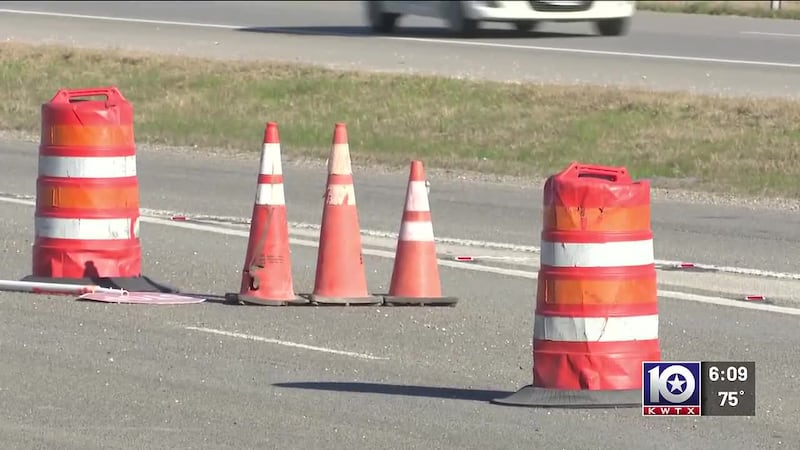
811 is the nationwide number to call before beginning any project that requires digging. After making a call, crews will come out to the project site and mark any underground lines before digging begins.
Randy says sometimes the lines are improperly marked, leading to hits.
He added, most of the time, it’s because contractors are digging too quickly.
How to Cut Down on These Strikes and What You Need to Know about Local Digging
Norden believes communication and training are both key.
Missouri has a learning management system for contractors with videos and quizzes to educate workers on proper techniques before they dig.
As fiber internet projects expand, Norden says he’s traveling the state to make sure crews are equipped with the knowledge to avoid gas strikes.
“I would say a lot of the hits are avoidable. Yes, gas lines are in the ground. And yes, we’re going to do excavation. And yes, there is a risk you’re going to hit a gas line, but if we do our due diligence, we market properly and we excavate properly, then we mitigate the risk.”
If you want to know if crews are digging in your neighborhood, you can call 811 and ask about planned projects.
If you smell gas, leave your house immediately and call 911.
It’s also important to note that this work in rural communities isn’t as risky since many homeowners have aboveground propane tanks instead of underground lines.
For more information, visit the website for Missouri 811.
Copyright 2025 Gray Media Group, Inc. All rights reserved.