How to protect your data in the age of cybercrime
SentinelOne: Ransomeware attacks shot up 84 percent over last year
(InvestigateTV) — It’s easy to take internet and connectivity for granted until something goes wrong and it feels like being sent back to the Stone Age.
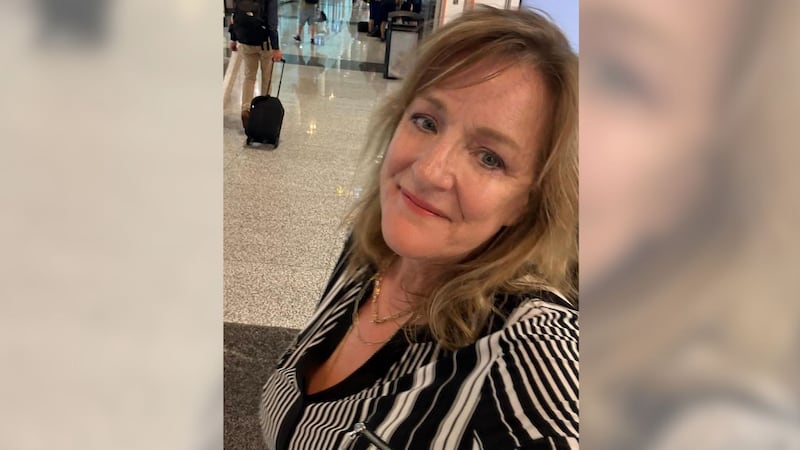
“Cybersecurity is incredibly important because it is the one thing that can make connectivity inaccessible,” said Tracy Doaks, president and CEO of MCNC.
MCNC is a nonprofit broadband provider that operates more than 5,000 miles of fiber across North Carolina, serving K-12 schools, community colleges, libraries, and other institutions.
Doaks knows firsthand how broadband powers critical services, like keeping students connected in classrooms and supporting care teams inside hospitals.
“Before I came to MCNC, I was the Chief CIO for North Carolina, and I was responsible for technology across the state,” she said. “When we had COVID, we had more ransomware attacks than we had EVER seen, and most of them were happening at the most vulnerable anchor institutions that we had, like community colleges, like K-12 schools.”
To combat these threats, her team created “vital cyber consulting,” which helps institutions with risk assessments, security strategies, and alert systems to defend against bad actors.
Doaks said cybersecurity is just as crucial for individual consumers.
“When we’re talking about it for consumers, like a patient that’s trying to use telehealth with their provider, they’re going to need to know that the machine that they’re using is secure,” she said. “Because that’s their health care data, that’s their healthcare information that they’re trying to give to their provider. They’re trying to talk to them about what’s happening with them physically and mentally.”
According to the Identity Theft Resource Center, cyberattacks drove most data breaches in the first quarter of this year – more than 1,300 incidents affecting 114 million people – with financial and healthcare sectors hit the hardest.
Kathy Stokes, director of Fraud Prevention Programs with AARP, said consumers must take steps to protect themselves.
“We have the power to protect ourselves to the degree that we take control of things like making sure that we’re using a password manager when you have the opportunity to establish that second level multi factor authentication sign-up for it when you’re on public Wi-Fi,” Stokes said. “If you don’t have a virtual private network, if you don’t have a VPN, you don’t know what that is, don’t go on public Wi-Fi.”
Doaks added that awareness is key.
“It’s common place to talk about the newest scams and what they are and how to look out for them,” she noted. “Your banks are telling you these are the things we absolutely would not ask you for. Make sure that you’re listening to those. Write them down if you need to. Educate your own families.”
Those that believe their data or devices have been compromised should update their software, change passwords, and monitor their credit for any unusual activity.
They can also report suspicious activity to the FBI IC3, BBB, ITRC, or AARP.
- Submit story tips to our Investigators
- Share errors or concerns with our Digital Editors
- Watch full episodes of InvestigateTV+
- Subscribe to the InvestigateTV YouTube Channel
Copyright 2025 Gray Media Group, Inc. All rights reserved.