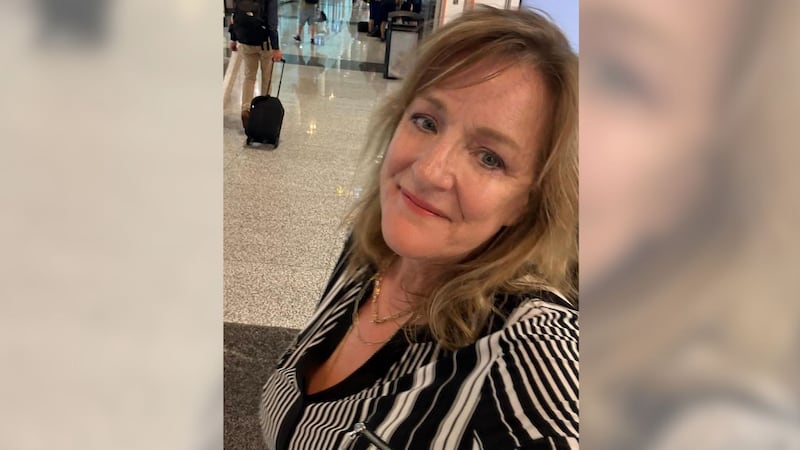
Risk Control: CDC contraceptive research team eliminated in HHS restructuring
The team that produced medical guidelines for physicians with chronic illness patients was gutted in federal downsizing.
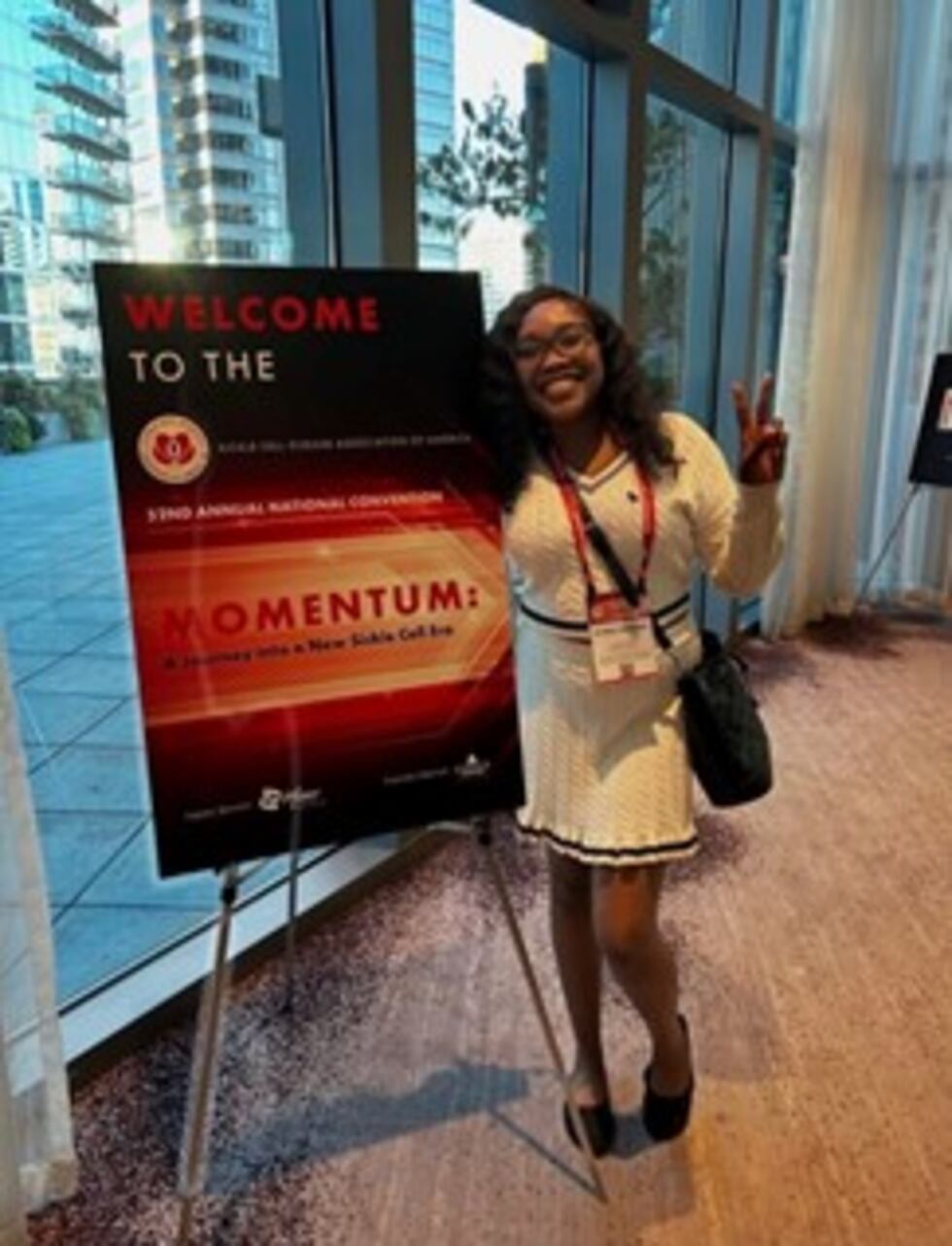
(InvestigateTV) — When D’Asia Jackson’s sickle cell pain flares during her menstrual cycle, birth control is the only thing that brings relief.
“With birth control, it is for, to me, for the doctor, to try to control my bleeding to help get that under control so that my sickle cell can be under control,” the 28-year-old from Detroit said.
Jackson calls herself a “sickle cell warrior.”
“I’m a fighter. I keep going. Although sickle cell is a really painful and terrible disease, I still try to look at the good from it,” she said.
Sickle cell anemia is a genetic blood disorder that causes red blood cells to form in a crescent — or “sickle” — shape instead of a circle. Those misshapen cells can block oxygen flow, often leading to severe joint pain.
“It is like, glass shattering. Like in the inside,” Jackson said.
For Jackson and millions of others with chronic medical conditions, birth control isn’t just about family planning — it’s a tool for managing pain and preventing complications. But the federal team behind the medical guidance her doctors rely on no longer exists.
A sweeping restructuring of the U.S. Department of Health and Human Services (HHS) over the past year has led to deep cuts across public health programs — from vaccine research to newborn screenings. Among the casualties: a small Centers for Disease Control and Prevention (CDC) team that produced national contraceptive safety guidelines used by physicians across the country.
Those who worked closely with the team say dismantling it could have lasting consequences for reproductive and women’s health nationwide.
Guidelines for Contraceptive Use
For years, the CDC’s contraceptive research team developed a cornerstone resource for doctors across the country – the “Medical Eligibility Criteria for Contraceptive Use.” The guidelines helped physicians determine which birth control methods were safe for patients with complex medical conditions such as heart disease, kidney disorders, or sickle cell anemia.
Their work is also accessible to the public through a free app that allows both clinicians and patients to review recommendations – information that was especially valuable to people managing chronic illnesses.
“People who have fibroids do much better when they’re able to be on a form of contraception,” said Dr. Maya Bass, a physician. “Endometriosis, the first line of treatment for that as well for that is birth control. Really, these medications help us take care of a wide variety of health conditions.”
But in April, that team’s work stopped. The app, which was downloaded nearly half a million times according to the CDC, was frozen in time with 2024 data.
Workers were “RIF’d,” which stands for reduction in force, and then terminated as part of HHS’ downsizing effort.
Secretary Robert F. Kennedy Jr. with HHS addressed the federal restructuring in March, calling it a move toward greater efficiency and accountability.
“I want to promise you now that we are going to do more with less,” Kennedy said. “No American is going to be left behind. Our key services delivered through Medicare and Medicaid, the FDA and the CDC and other agencies will enter a new era of responsiveness and a new era of effectiveness.”
Kennedy said the department would shrink from 28 divisions to 15 and reduce its workforce from more than 82,000 to about 62,000 employees.
“We are keenly focused on pairing away excess administrators, while increasing the number of scientists and frontline health providers, so that we can do a better job for the American people,” he said.
According to HHS, the restructuring is projected to save taxpayers $1.8 billion per year.
Impact on chronic illness patients
For patients like Jackson, the change is already creating uncertainty.
“It was actually very terrifying because us, as a sickle cell community, we don’t already have the research for sickle cell and reproductive health,” she said. “That being eliminated, it’s like, okay, that was the one thing that we did have that we know that we could – okay – we can go on google and go on this website and look for information. But now, it’s just like, we’re left in the dark.”
Dr. Lee Warner, former chief of the CDC’s Women’s Health and Fertility Branch, oversaw the contraceptive research program before retiring – just before his colleagues were laid off.
“The division was nearly 60 years old. We did very good work on women and infants and maternal mortality, teen pregnancy, and we had a very good track record. It was a shock. It was a shock for our branch to be riffed as well – and all of our staff," Warner said.
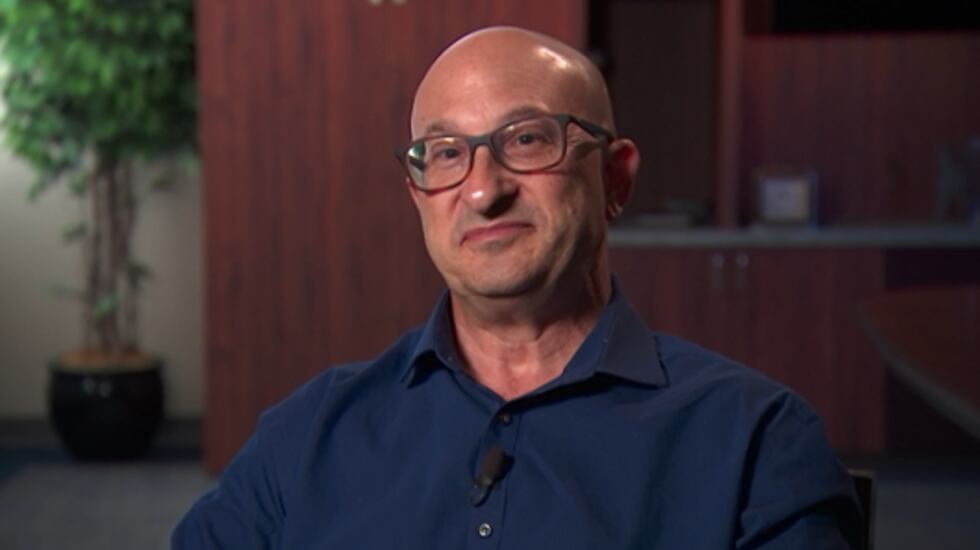
He says the ripple effects could reach millions.
“The guidelines are of use to 47 million women in the United States who use contraception. And we know that 90% of women have used method of contraception in their lifetime. So that it has broad relevance to half the population,” Warner said.
Doctors who relied on those guidelines for evidence-based decision making say the loss leaves a gap in care.
“I didn’t realize how much I took those contraceptive guidelines for granted until they were gone,” said Dr. Andrea Braden, medical director at the Atlanta Birth Center.

“They are trusted physicians and researchers and public health representatives from the CDC who we know do rigorous research – who look at all the data and really weigh it out and are able to filter through all of the evidence that’s out there so we can give evidence-based guidance about contraceptives to all of our patients,” she continued.
HHS response unclear
InvestigateTV repeatedly requested an on-camera interview with Secretary Kennedy about whether the CDC’s contraceptive work will continue under the department’s new structure.
In a written statement, HHS said that critical programs under the Division of Reproductive Health will continue under the Administration for a Healthy America. But the agency did not explain how that work will continue, what staffing will look like, or whether the contraceptive guidelines for physicians will be maintained.
“It’s hard to imagine the work, given the specialized experience the staff had, being replicated in the Administration of Healthy America,” Warner said. “I’ve also heard nothing to suggest that this particular work on the contraceptive guidelines for our health care providers will be incorporated into the AHA.”
Jackson believes education and access to reliable reproductive information remain essential.
“We all should be educated about what’s going on in the world. And birth control is just one of those things, although a lot of people don’t think that it is important, it is very important to the world,” she said.
- Submit story tips to our Investigators
- Share errors or concerns with our Digital Editors
- Watch full episodes of InvestigateTV+
- Subscribe to the InvestigateTV YouTube Channel
Copyright 2025 Gray Media Group, Inc. All rights reserved.