‘We’re making progress’: White House counters affordability crisis claims with economic data
Reports show inflation cut by more than half, cites wage growth and lower gas prices
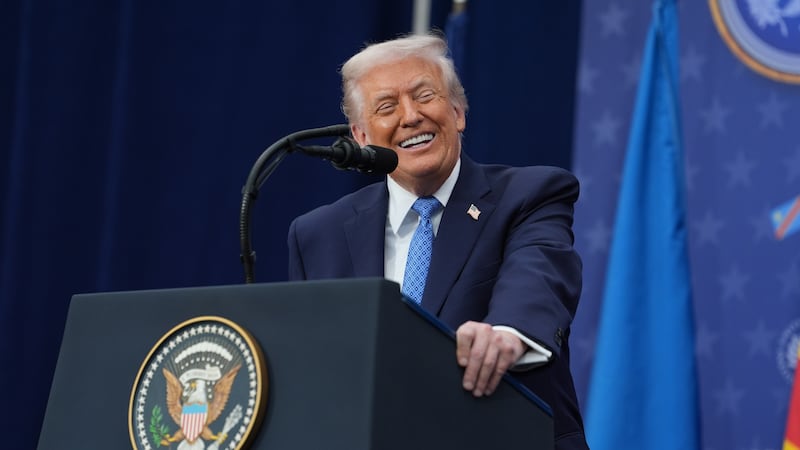
WASHINGTON (KWTX) — President Donald Trump has made substantial progress reversing inflation and cost-of-living issues since taking office, White House officials say, citing a range of economic data and reports.
Inflation drops to 2.7%
Inflation averaged nearly 5 percent under the Biden administration and reached 9.1 percent during what officials called “the worst inflation crisis in decades.”
According to reported data, the rate has dropped to an average of 2.7 percent during Trump’s second term, with Americans seeing the first overall price decline since 2020.
Wages and employment gains
Real wages have grown by nearly 4 percent, or about 700 dollars, during Trump’s second term and are projected to grow by nearly 1,200 dollars after his first full year in office, the administration suggests.
According to the administration, employment of American-born workers has increased by 1.9 million since Trump took office.
Energy and housing costs decline
Gas prices have fallen to the lowest average in 1,682 days, according to figures from GasBuddy.
Americans are on track to spend the lowest share of their disposable income on gas in two decades, the administration says.
GasBuddy data show average gas prices have dropped below 3 dollars per gallon in 36 states, below 2.75 in 20 states, below 2.50 in five states, and below 2 dollars at select stations in at least four states.
The administration reported that Federal Reserve Economic Data (FRED) show 30-year fixed mortgage rates averaged 6.19 percent in early December, which is a 12 percent decline from rates when Trump assumed office in January.
Consumer Price Index data, published by the Bureau of Labor Statistics and displayed on FRED, show shelter inflation has reached a four-year low, while national median rent prices have declined for four consecutive months.
Tax cuts and regulatory changes
In July, Trump signed what the administration calls the largest tax cuts in American history.
The legislation includes provisions for no tax on tips, overtime, and Social Security benefits.
The administration projects the tax law will raise Americans’ take-home pay by as much as 13,300 dollars and wages by up to 11,600 dollars, according to estimates. The average tax refund is projected to increase by about 1,000 dollars per filer, a CBS MoneyWatch report explained.
Trump’s deregulatory initiatives are helping Americans save 180 billion dollars collectively, or 2,100 dollars per family of four, the administration claims.
Companies have invested trillions of dollars into United States operations since Trump took office, creating hundreds of thousands of jobs, the White House says.
Spending cuts, economic growth, and tariff revenues are projected to reduce the deficit by trillions of dollars, according to administration officials.
Democratic pushback
As the Trump administration highlights economic progress, Democrats such as Gavin Newsom and Hakeem Jeffries have been outspoken about what they call an “affordability crisis.”
“The high cost of living is out of control,” Jeffries said.
The economy remains a central focus heading into next year’s midterms.
“The Trump Administration will not rest until the high prices that resulted from Democrat policies are fully reined in. We’re making progress — and the best is yet to come,” the White House said.
Copyright 2025 KWTX. All rights reserved.