UPDATE: Riverway municipal bond propositions pass after two vote in favor
Two voters decided $580 million bond election for Waco Riverway subdivision development
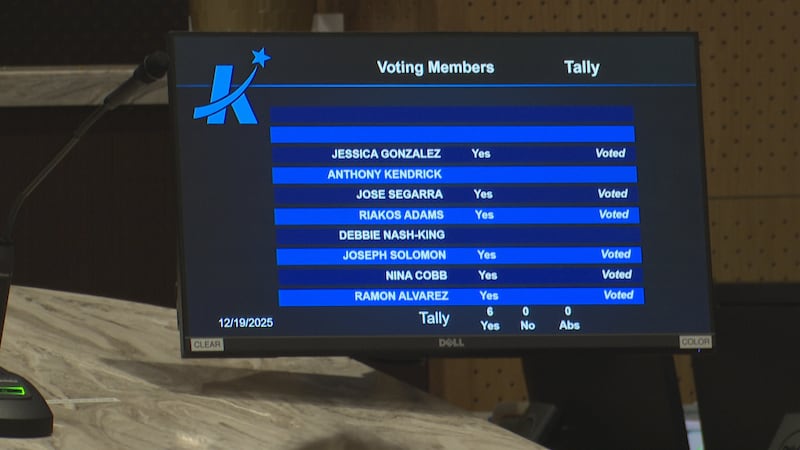
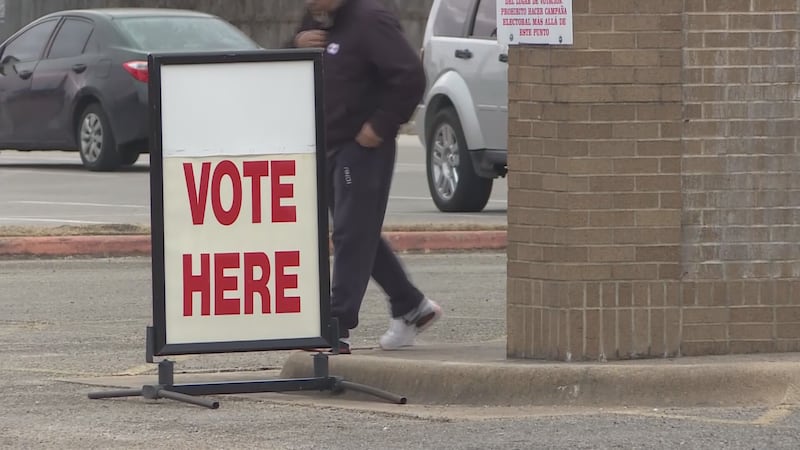
WACO, Texas (KWTX) - UPDATE: Two registered voters on Tuesday voted to authorize up to $582 million in bonds for a new subdivision development along the Brazos River.
Caldwell Companies, the developer who formed the Riverway Municipal Management District earlier this year, plans to build almost 1,900 homes on its 521 acres.
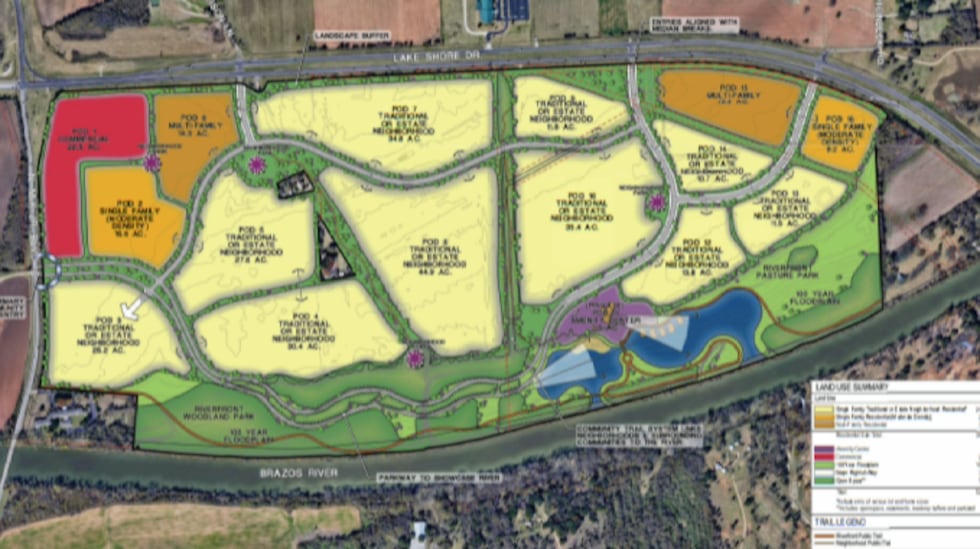
The subdivision stretches from Martin Luther King, Jr. Blvd. to Lake Shore Drive.
Jonathan Finke, with the Allen Boone Humphries Robinson Law Firm, currently represents this special district for the city of Waco.
“A special district is a political subdivision of the state of Texas, and the main goal, or the main purpose of the district, is to provide public infrastructure in mostly masterplan communities, but other multi-use developments within the state,” he explained.
It was, however, up to the voters to authorize whether the district can issue almost $582 million in bonds, splitting the full amount into four propositions.
Finke said that once the two voters in the district approved the four propositions, they would only authorize the district’s ability to sell bonds, not approve their immediate sale.
“The purpose of the propositions is to approve an amount of bonds that can be sold in the district, so an umbrella of bonds,” he explained, “now that doesn’t mean that it is approving the bonds to be sold, it’s just the ability to sell bonds.”
Municipalities issue bonds to raise funds for large public projects like roads, schools, and utility systems, essentially, borrowing money from investors to pay for the projects.
The bonds for the Riverway district would not be sold until public infrastructure is complete, with the developer funding construction upfront in hopes of being reimbursed.
“Each sale of those bonds in the future depend on the taxable value that the developer creates. The risk is on the developer, if the developer does not produce a community that is selling homes, is building taxable value then the district will not sell bonds,” Finke said.
Only two registered voters live within the district boundaries and they were the only ones who could legally vote for the propositions, something Finke said is common for special districts.
“In most cases, it’s non-developed land. It’s open land that has not been developed, and so there are no residents or there are only a couple residents, and so it is very typical with special districts,” he shared.
“We would try to have the election again in the spring, we can have elections in May and in November, and the developer would really have to make a choice on whether or not they want to move forward,” Finke said.
Caldwell Companies said they remain on track with the project and have already broken ground. They hope to start construction late next year depending on the election results.
Copyright 2025 KWTX. All rights reserved.