Medical Detectives: The Surprising Place to Find Clues About Your Health
WACO, Texas (KWTX) - Have you or someone you’ve known ever had an illness you just couldn’t seem to shake? No matter what medications you were prescribed, your symptoms never got better, or maybe they did but they came back?
There’s a type of medical care gaining popularity that works to track the source of medical mysteries people are facing, and in many cases, it leads experts to a part of your body you might not even think about: your gut.
KWTX spoke with functional medicine practitioners about gut health and learned why they call themselves medical detectives.
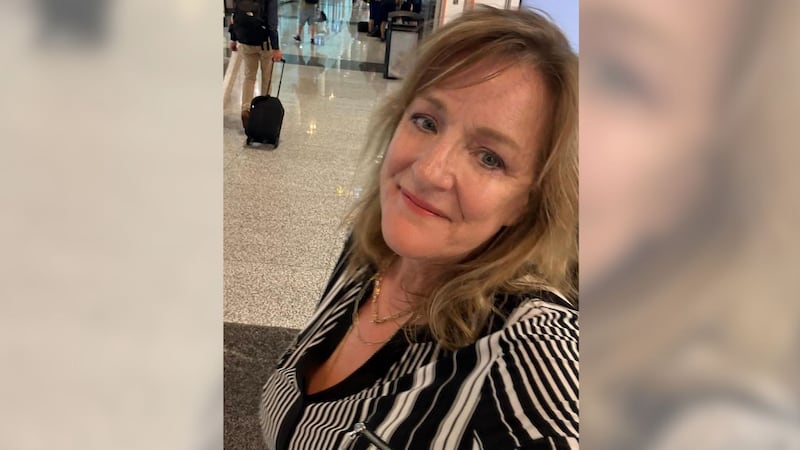
Whitley Holton has been battling an autoimmune disorder called Hashimoto’s Disease for years. In addition to catching colds and infections easily, she had other symptoms like extreme fatigue, very quick weight gain, anxiety, depression, and insomnia. She was prescribed medication for it and it helped with the symptoms at first. But within two or three months, the symptoms returned and got worse. So two years ago she tried something new and within weeks she began to see her symptoms disappear.
She says now, “I feel so much better, my energy is better, my sleep is not a problem, I can manage my weight so much easier, my skin is better, my hair is better, I rarely get sick now.”
Whitley visited a functional medicine clinic.
“We call ourselves medical detectives,” said Sarah Campbell, a physician assistant and co-founder of the Waco Center for Functional Medicine.
Campbell said, “when a patient comes in we do an extensive health history so we’re looking at how many medications are you on, how many antibiotics, what kind of stressors, what symptoms, and we are again medical detectives looking for clues as to what caused the disfunction happening in your body.”
She says one place you can find a lot of answers is in your gut, essentially your gastrointestinal tract from your esophagus to your stomach, to your large and small intestine. Campbell says the clinic will have the patient provide a stool sample to bet tested, and from that they can determine what exactly is happening in their gut including types of bacteria, parasites, yeast overgrowth, how their body digests things, if there’s blood in the stool and so on. Campbell said this provides them with a blue print as to how to correct the disfunction.
Campbell says the universe of microscopic life in your gut is called your gut microbiome, and the types of bacteria that call it home have a huge impact on your health.
“In simplistic terms you have good bacteria and bad bacteria. The good bacteria keep the gut healthy,” she said, “but then you can have imbalances in bad bacteria like staff, strep. Those bacteria are what I call ‘disbiotic’ because they can cause inflammation of the gut lining.”
Campbell says inflammation in the gut, leads to inflammation in the body, resulting in a host of medical issues and antibiotics can really affect the proper balance.
“Literally just three antibiotics are enough to shift your gut flora,” she said.
Campbell says once they can find out what’s happening in your gut they can put you through a medical routine to clear out some of the so-called bad bacteria and restore more of the good. You can add to the good bacteria with probiotics in pill form, and certain foods like yogurt, kefir milk and kombucha. Campbell also says you can do a test at home to find out which foods could be making you feel unwell and then cut those out.
“Just experiment, there’s no harm in starting to eliminate certain foods, add it back in, see how you feel,” she said.
Campbell suggested starting with foods containing gluten, sugar, and dairy. And for overall gut health she says cut back on processed foods and eat more whole foods, the type of things you find on the perimeter of the grocery store.
She suggested eating “fiber rich foods, fruits, vegetables things like that that are going to feed that good bacteria.”
Each case is different, but Campbell says she’s seen improvement in host of illnesses including long covid and much more.
“We’ve had people come off high blood pressure medication, we’ve seen eczema resolved, anxiety and depression have improved. Sleep problems are no longer an issue. We’ve had several people with auto immune conditions,” Campbell said.
Whitley told us her tests clearly revealed the problems in her gut.
She said, “I had a lot of strep bacteria, basically I had no good bacteria and a lot of bad, so that made sense for why my immune system was lower, and all the illnesses I’ve had.”
Whitley says Campbell helped restore her gut balance and eliminate inflammatory foods from her diet. She’s thankful she feels better and finally got some answers. And she encourages other people in the same position as her to do the same.
“You have to advocate for yourself as much as you can but if you’re still not getting answers and you know there’s testing you would prefer to get done, you have to go this route,” she said.
When it comes to functional medicine Campbell says many insurance providers will cover things like blood work. But they don’t always cover some of the more extensive testing. She says her office can provide a document of services to submit to your insurance company to get as much of it covered as possible.
Copyright 2024 KWTX. All rights reserved.